Our Services | Swallowing Therapy, Assessment & Dysphagia Care in Gurugram
Swallow Care is a specialist swallowing clinic in Gurugram providing clinical-grade dysphagia care, swallowing rehabilitation, instrumental assessment, and dietary texture guidance for adults across Gurgaon and Delhi NCR. If you are looking for a dysphagia clinic near me, a swallow specialist, or expert dysphagia treatment near me, Swallow Care is structured to give you assessment-first care backed by specialist certifications and fellowship-level training.
Every service at Swallow Care begins with proper clinical evaluation — because the right treatment for one patient may be completely wrong for another. We do not offer generic exercises. We offer structured, evidence-informed, personalised care that is matched to your specific swallowing difficulty.
What Makes Swallow Care Different
Most patients searching for a dysphagia doctor near me or a swallowing clinic in Gurgaon find either general speech therapists with limited swallowing expertise, or hospital settings with long wait times and no continuity of care. Swallow Care is built differently.
- MASLP and BASLP qualifications
- Langmore FEES Certification (instrumental swallowing assessment)
- VFSS Certification (videofluoroscopic swallowing study)
- Vital Stim Certification (neuromuscular electrical stimulation)
- IDDSI Competency (international diet texture framework)
- Fellowship in Speech and Swallowing Therapy — Tata Memorial Hospital, Mumbai (Head and Neck Oncology)
This level of specialist training allows us to manage not just routine dysphagia cases, but complex swallowing presentations that need instrumental evaluation, oncology swallowing support, neurological dysphagia management, and home-based care.
Our Services
A clinical bedside swallowing assessment identifies the cause, phase, and risk level of swallowing difficulty. It is the foundation that guides everything that follows whether that is therapy, texture guidance, FEES, or referral.
What is included:
- Full symptom and medical history review
- Oral motor and tongue function examination
- Clinical swallowing observation with food and liquids
- Aspiration and penetration risk assessment
- Recommendations for the most appropriate next step
Who it helps:
Anyone with coughing during meals, wet or gurgly voice after swallowing, food sticking, unexplained weight loss, repeated chest infections, or meal-related difficulty after stroke, illness, or surgery.
Dysphagia screening is a rapid, validated check to identify whether someone shows signs of swallowing risk that need further assessment. It is not the same as a full assessment — it is the right first step when the family is not sure whether a concern is clinical or not.
What is included:
- Validated screening protocol
- Identification of red flag signs
- Clear guidance: does this need formal assessment?
- Written summary for family or referrer
Who it helps:
Family caregivers who are unsure about coughing, slow eating, or meal avoidance. Also appropriate for post-stroke patients at discharge and people starting home care.
Fibreoptic Endoscopic Evaluation of Swallowing
FEES uses a flexible endoscope to directly visualise the throat and swallowing mechanism in real time during eating and drinking. It provides clear clinical evidence of aspiration, penetration, pharyngeal residue, and airway protection — information bedside assessment cannot always confirm.
What is included:
- Langmore-protocol FEES evaluation
- Real-time direct visualisation of swallowing function
- Assessment of aspiration, penetration, and residue
- Immediate clinical findings and recommendations
- Formal written report for referrers and medical teams
Who it helps:
Patients with unclear dysphagia, complex aspiration concerns, head and neck cancer swallowing changes, post-surgical swallowing problems, or any case where direct evidence is needed for treatment decisions.
Videofluoroscopic Swallowing Study
VFSS uses real-time X-ray imaging to assess the full swallowing sequence — from the moment food enters the mouth to its movement through the oesophagus. It is especially useful when both the pharyngeal and oesophageal phases need to be evaluated together.
What is included:
- VFSS-certified evaluation
- Assessment of bolus flow, timing, and aspiration risk
- Coordination with radiology where required
- Recommendations for therapy and texture management
Swallowing difficulty is present in more than 50% of stroke survivors in early recovery. It is one of the most serious and commonly missed post-stroke complications, and early specialist assessment significantly reduces aspiration pneumonia risk.
What is included:
- Early post-stroke clinical swallowing assessment
- Structured swallowing exercise program
- Weekly monitoring and progress review
- Safe swallowing strategy coaching
- IDDSI texture guidance throughout recovery
- Family and caregiver training sessions
- 6-month recovery support pathway
Who it helps:
Stroke survivors with coughing, wet voice, food sticking, slow eating, or swallowing difficulty identified during or after hospital discharge.
Swallowing Support for Parkinson's Disease
Swallowing and voice changes are common in Parkinson’s disease and typically worsen as the condition progresses. Early swallowing assessment and regular review can help reduce aspiration risk and maintain safe oral intake for longer.
What is included:
- Parkinson’s-specific swallowing pattern assessment
- Safe swallowing strategies tailored to current function
- Exercise program matched to disease stage
- Caregiver coaching and mealtime safety guidance
- Regular review as the condition progresses
- Coordination with the neurology team where appropriate
Who it helps:
swallowing problems in Parkinson’s Gurugram · Parkinson’s dysphagia therapy near me · Parkinson’s swallowing specialist Gurgaon · speech and swallowing therapy for Parkinson’s Delhi NCR
Head and Neck Cancer Swallowing Rehabilitation
Swallowing difficulty after head and neck cancer treatment — surgery, radiotherapy, or chemotherapy — requires specialist expertise. Abhilash Ghadei completed an advanced fellowship at Tata Memorial Hospital, Mumbai, specifically in speech and swallowing therapy for head and neck oncology, making this one of the most specialised services available in Delhi NCR.
What is included:
- Pre-treatment and post-treatment swallowing baseline assessment
- Swallowing exercises tailored to treatment type and site
- Voice and communication therapy where needed
- IDDSI texture guidance throughout recovery
- FEES evaluation where clinically indicated
- Coordination with oncology and surgical teams
- Trismus and restricted mouth-opening management
Who it helps:
head and neck cancer swallowing therapy Gurugram · oncology dysphagia rehab Delhi NCR · swallowing therapy after radiotherapy Gurgaon · post cancer treatment swallowing specialist near me
Vital Stim — Neuromuscular Electrical Stimulation
Vital Stim uses neuromuscular electrical stimulation on the throat muscles to support swallowing rehabilitation in selected patients. It is used alongside structured swallowing therapy — not as a stand-alone treatment.
What is included:
- Vital Stim Certified assessment and application
- Combined with structured swallowing exercises
- Monitored for response and adjusted at each session
- Clinical assessment required before starting — not suitable for all patients
The International Dysphagia Diet Standardisation Initiative (IDDSI) framework provides a globally recognised system for safe food and liquid texture levels. Our IDDSI-competent specialist helps patients and families understand exactly which textures are safe and how to prepare them correctly.
What is included:
- IDDSI-competent texture assessment
- Personalised safe food and liquid level recommendation
- Guidance for meal preparation and texture modification at home
- Caregiver training in safe texture preparation and monitoring
- Written IDDSI guidance sheet for carers and nursing staff
Who it helps:
Patients with dysphagia who need safe texture guidance, families preparing meals at home, and nursing or home care staff supporting someone with swallowing difficulty.
Oral Motor Examination
An oral motor examination assesses the strength, coordination, range, and function of the lips, tongue, jaw, cheeks, and soft palate — the muscles that control the first phase of swallowing and chewing.
What is included:
- Clinical assessment of oral motor function
- Tongue strength, mobility, and coordination testing
- Jaw, lip, and cheek function review
- Identification of oral-phase swallowing patterns
- Recommendations for oral motor therapy or exercises
Who it helps:
Patients with weak tongue control, poor chewing, food falling from the mouth, or difficulty managing food in the oral phase before swallowing.
surgical procedures — including thyroid, spine, cardiac, and head and neck surgery — can affect the nerves and muscles involved in swallowing. Pre-surgical assessment creates a baseline. Post-surgical review identifies any new swallowing concerns and guides early rehabilitation.
What is included:
- Pre-surgical swallowing baseline assessment
- Post-surgical swallowing clinical evaluation
- Rehabilitation program if new swallowing changes are identified
- Referral coordination with the surgical team
Who it helps:
Patients with weak tongue control, poor chewing, food falling from the mouth, or difficulty managing food in the oral phase before swallowing.
Voice Therapy
Voice disorders are sometimes overlooked as part of dysphagia care, but voice changes — hoarseness, reduced volume, or voice fatigue — can indicate underlying swallowing or laryngeal concerns and should always be assessed alongside swallowing when present.
What is included:
- Clinical voice assessment
- Voice therapy exercises tailored to the presenting problem
- Vocal hygiene and daily habits coaching
- Coordination with ENT where needed
- Therapy for voice fatigue, post-surgical voice changes, or neurological voice disorders
Home-Based Swallowing Therapy
Home visits are available for patients in Gurugram and Delhi NCR who cannot travel to clinic due to limited mobility, post-stroke recovery, complex care needs, or caregiver-supported feeding requirements. A home environment assessment often provides additional clinical insight that clinic visits cannot.
What is included:
- Home visit clinical swallowing assessment
- Mealtime observation in the actual home environment
- Caregiver training and mealtime safety coaching
- Home practice exercise program with follow-up review
Who it helps:
Patients with limited mobility, stroke recovery, complex neurological conditions, or caregivers who need hands-on guidance in the home.
Caregiver Training and Mealtime Safety Coaching
When a person has dysphagia, the people who prepare meals and support eating carry a significant responsibility. Caregiver training reduces aspiration risk during everyday meals by teaching safe feeding techniques, texture preparation, safe positioning, and recognition of warning signs.
What is included:
- Safe positioning and posture coaching
- Safe feeding technique training
- Texture preparation and IDDSI guidance
- Recognition of aspiration and choking warning signs
- Emergency response awareness
- Written safe eating and drinking guide for carers
Service Areas
Swallow Care serves adults across Gurugram (Gurgaon) and Delhi NCR including:
DLF Phase 1, DLF Phase 2, DLF Phase 3, DLF Phase 4, DLF Phase 5, Golf Course Road, Sushant Lok, South City 1, South City 2, Sector 56, Sector 57, Sector 65, Sohna Road, Palam Vihar, Udyog Vihar, MG Road, Cyber City, Sector 14, Sector 15, and surrounding areas of South Delhi and New Delhi.
Home visits are available for patients who cannot attend the clinic. Contact us to confirm home visit availability in your area.
Book Your Assessment Today
If swallowing has become difficult, unsafe, or stressful — at mealtimes, with liquids, or with tablets — the right first step is a proper swallowing assessment. You do not need a GP referral to book. You can contact us directly.
Specialized Swallowing Care You Can Trust in Gurugram
Exceptional experience
Beathing Exercises
Throat Exercises
Speaking Therapy
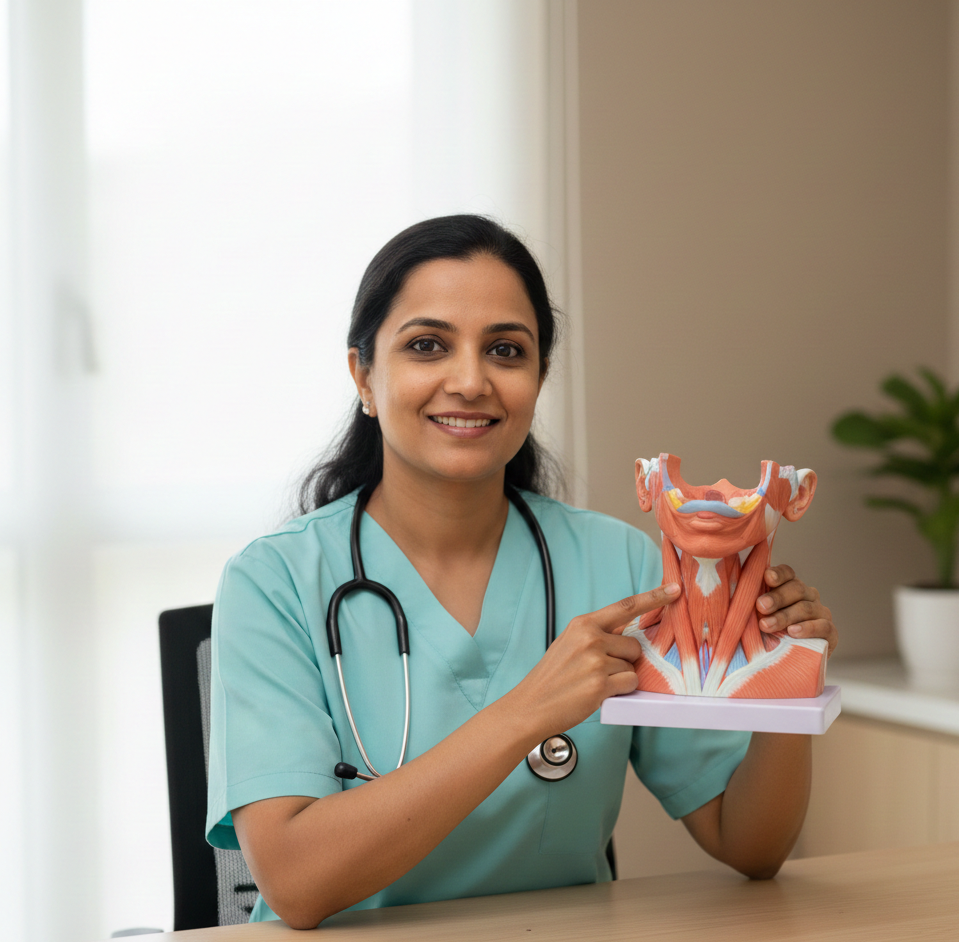
At Swallow Care, we focus exclusively on swallowing disorders and dysphagia – not general physiotherapy. Our evidence-based approach helps stroke survivors, Parkinson's patients, elderly individuals, and post-surgery patients across Gurugram and Delhi NCR swallow safely through personalized assessment, targeted exercises, and practical mealtime strategies. Whether you're experiencing coughing during meals, food getting stuck, or fear of choking, our specialized team is here to help you eat and drink with confidence.
Frequently Asked Questions
Swallow Care offers swallowing assessment, dysphagia screening, FEES, VFSS, Vital Stim therapy, post-stroke swallowing rehab, Parkinson’s swallowing support, head and neck cancer swallowing rehab, diet texture consultation, oral motor examination, voice therapy, pre- and post-surgical support, home-based therapy, and caregiver training — all in Gurugram and Delhi NCR.
No. You can contact Swallow Care directly without a GP or hospital referral.
Swallow Care is based in Sector 63 Gurugram. Home visits are available across Gurgaon and Delhi NCR.
The first step is a swallowing assessment, which identifies the type and cause of swallowing difficulty and guides the most appropriate treatment plan.
Yes. Abhilash Ghadei is Langmore FEES Certified and provides FEES evaluation for complex or unclear dysphagia cases.
Yes. Post-stroke swallowing rehabilitation is one of our core services. Early assessment after stroke reduces aspiration pneumonia risk significantly.
Yes. Home-based swallowing assessment and therapy is available for patients in Gurugram and Delhi NCR who cannot travel to clinic.
Yes. We offer specialist swallowing assessment and therapy for people with Parkinson’s, with regular review as the condition progresses.
Vital Stim is neuromuscular electrical stimulation used as an adjunct therapy alongside swallowing exercises for selected dysphagia patients. Clinical assessment determines suitability before use.
Yes. Caregiver participation is actively encouraged, especially for mealtime safety coaching, texture preparation training, and home exercise programs.