
Swallowing Therapy After Stroke | Post-Stroke Rehab Support
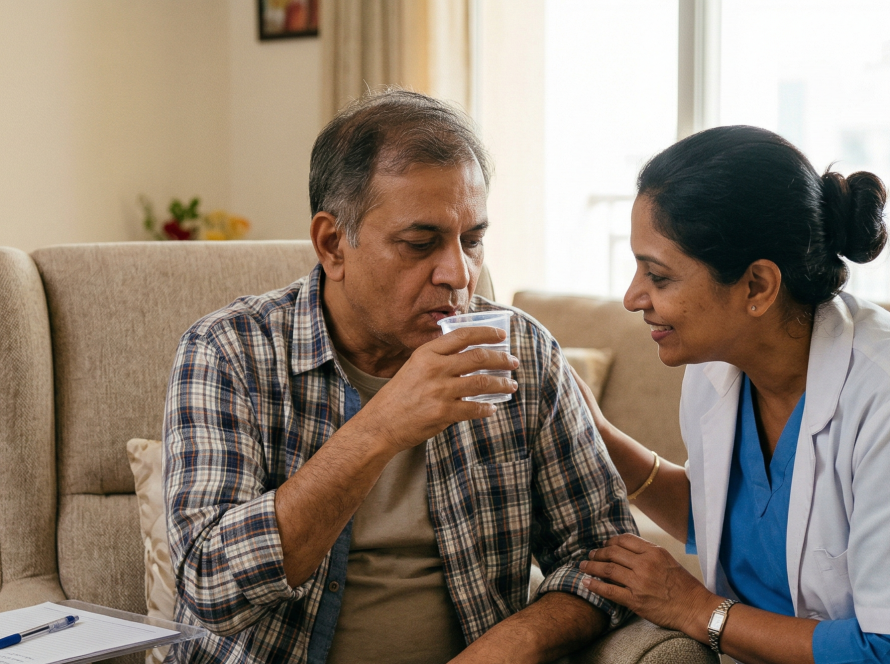
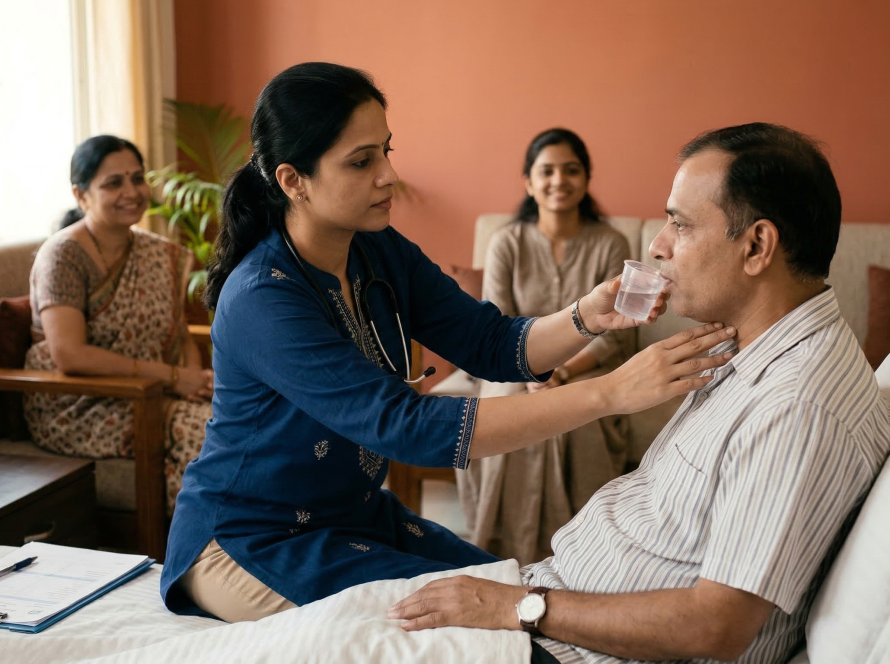
Swallowing therapy after stroke is one of the most important steps in recovery — and the sooner it begins, the better the outcome. Stroke survivors deserve specialized care that restores safe swallowing function and prevents life-threatening complications. Our comprehensive stroke swallowing rehab program combines therapeutic exercises, neuromuscular training, and individualized protocols to help patients across Gurugram and Delhi NCR eat and drink safely again.
Swallowing Therapy After Stroke
Post-stroke dysphagia is a common neurological condition affecting swallowing function after a cerebrovascular accident (CVA). Strokes damage the brain regions controlling swallowing muscles and coordination, resulting in difficulty swallowing (dysphagia), throat weakness, or aspiration risk.
Evidence-Based Dysphagia Treatment Protocols
Advanced Assessment Methods
We diagnose and assess post-stroke swallowing disorders using:
Instrumental Dysphagia Assessment:
- Videofluoroscopic Swallow Study (VFSS) – Dynamic assessment of swallowing phases
- Clinical Bedside Swallow Assessment – Preliminary screening using EAT-10, GUSS (Gugging Swallowing Screen), Yale Swallow Protocol
- This comprehensive evaluation determines penetration-aspiration risk and guides personalized treatment planning.
Our evidence-based post-stroke rehabilitation program includes:
- Neuromuscular Electrical Stimulation (NMES) Therapy
- Strengthens pharyngeal and laryngeal muscles
- Improves swallowing coordination and safety
- Combines with traditional swallowing therapy for optimal results
- Research shows 57% of patients achieve normal swallowing within 7 days
Targeted Swallowing Exercises
- Shaker Exercises – Strengthen anterior neck muscles and laryngeal lift
- Tongue Pressure Resistance Exercises – Improve bolus propulsion and airway protection
- Chin Tuck Against Resistance (CTAR) – Enhance pharyngeal coordination
- Modified Jaw Opening Exercise (MJOE) – Promote hyoid bone displacement.
Postural and Compensatory Strategies
- Head positioning techniques to reduce aspiration
- Modified diet progression (pureed → soft → normal diet)
- Adaptive swallowing maneuvers specific to stroke recovery stages
- Thickened liquid protocols and diet texture modifications
Neuromotor Re-education
- Strengthening exercises targeting affected side (post-stroke hemiplegia)
- Coordination training for bilateral muscle activation
- Sensory stimulation to improve swallowing awareness
Each stroke patient receives a customized dysphagia rehabilitation plan based on:
- Stroke location and severity (ischemic vs. hemorrhagic)
- Pre-existing medical conditions (diabetes, hypertension, etc.)
- Nutritional status and aspiration risk level
- Time since stroke (acute vs. chronic post-stroke dysphagia)
- Patient goals and rehabilitation potential
4-Phase Evidence-Based Recovery Program
Phase 1: Acute Assessment & Safety (Week 1-2)
- Comprehensive dysphagia evaluation using VFSS and bedside swallowing assessment
- Aspiration risk determination
- Nutrition/hydration management plan
- Initial dietary recommendations
Phase 2: Active Therapeutic Intervention (Week 2-8)
- 3-5 therapy sessions weekly (30-45 minutes each)
- Progressive swallowing exercises (Shaker, CTAR, tongue resistance)
- NMES therapy 2x weekly
- Dietary progression monitoring
- Caregiver education and home exercise program
Phase 3: Advanced Recovery & Progression (Week 8-16)
- Functional diet advancement (soft solid to regular diet)
- Group therapy sessions for psychological support and peer learning
- Maintenance exercises and independence building
- Return-to-work/normal activity assessment
Phase 4: Discharge & Long-Term Management
- Dietary independence achieved
- Home maintenance protocol
- 3-month follow-up assessment
- Emergency contact and prevention strategies
Frequently Asked Questions About Post-Stroke Swallowing Rehabilitation
What is post-stroke dysphagia and how common is it?
Post-stroke dysphagia is a swallowing disorder affecting 37-78% of stroke survivors. The condition ranges from mild difficulty swallowing to severe aspiration risk. Early detection and specialized post-stroke rehabilitation can significantly improve outcomes.
How long does post-stroke swallowing rehabilitation take?
Most patients undergoing swallowing therapy after stroke show measurable improvement within 4 to 8 weeks. Full recovery of safe oral diet typically occurs within 12 to 16 weeks with consistent stroke swallowing rehab. Patients who begin therapy within 48 to 72 hours of a stroke recover significantly faster.
Can stroke patients regain normal swallowing ability?
The most effective swallowing exercises after stroke are the Shaker exercise, Mendelsohn maneuver, chin tuck exercise, tongue strengthening exercises, and supraglottic swallow technique. Our therapists design a personalized home exercise program and written caregiver guide for every patient.
What swallowing exercises help most after a stroke?
FEES is a minimally invasive diagnostic procedure allowing real-time visualization of swallowing safety. It assesses aspiration risk, food/liquid entrance into the airway, and specific swallowing deficits without radiation exposure.
What are the risks of untreated post-stroke dysphagia?
Untreated dysphagia can lead to:
- Aspiration pneumonia (11x increased risk)
- Severe malnutrition and dehydration
- Extended hospitalization and tube feeding dependence
- Reduced quality of life and depression. Increased mortality rates
How can I help a stroke patient swallow safely at home?
Always seat the patient upright at 90 degrees during meals, offer small bites slowly, use thickened liquids following IDDSI diet levels as recommended, avoid distractions during eating, and follow the daily swallowing exercises prescribed by our specialist. We provide every family with a caregiver training session and written home exercise guide.


Latest Blogs