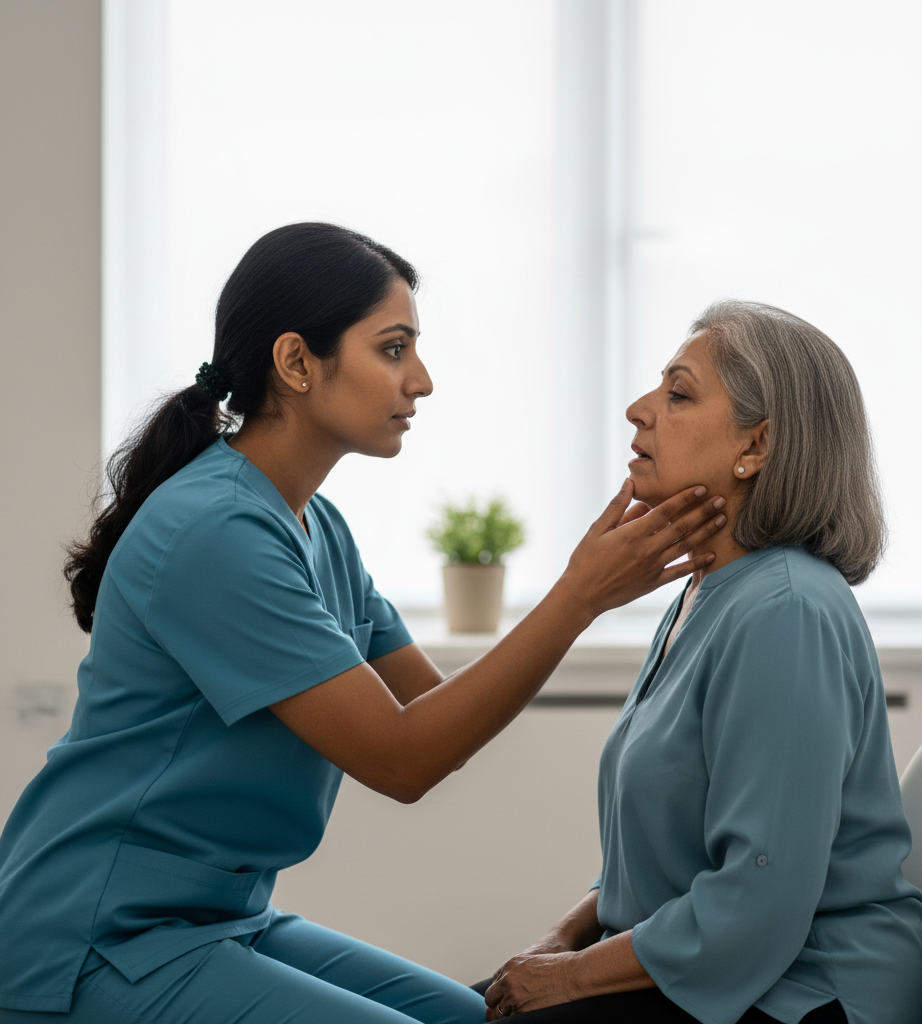
Are you or your loved one experiencing difficulty swallowing, coughing during meals, or fear of choking? A comprehensive swallowing assessment Gurugram is the critical first step in identifying dysphagia and preventing serious complications like aspiration pneumonia. At Swallow Care in Gurugram, our specialized dysphagia therapists provide thorough clinical bedside swallowing evaluations to accurately diagnose swallowing disorders and create personalized treatment plans.
If you are looking for a swallowing assessment in Gurugram, this page explains what a clinical bedside evaluation involves, who should have one, what the clinician looks for, and what happens after the assessment. For many adults in Gurugram, Gurgaon, and Delhi NCR, this is the first important step in understanding whether swallowing is safe and what type of support is needed next.
Trusted swallowing care
- Clinical swallowing assessment for adults
- Bedside evaluation focused on swallowing safety
- Evidence-informed dysphagia assessment approach
- Home visits available in Gurugram when travel is difficult
- Support for stroke, neurological, and age-related swallowing problems
- Guidance on next steps including therapy or further testing
Quick Overview
A swallowing assessment is a structured clinical evaluation used to understand whether swallowing is safe, efficient, and appropriate for food, fluids, and medication. It helps identify signs of oropharyngeal dysphagia such as coughing, choking, aspiration risk, poor oral control, delayed swallowing, voice change after swallowing, and difficulty managing saliva or mixed
A bedside swallow evaluation does not just ask whether swallowing feels difficult. It examines the swallowing system in a structured way and helps determine whether the person can continue eating normally, needs texture changes, requires swallowing therapy, or should be referred for instrumental testing such as FEES or VFSS.
What is a Clinical Swallowing Assessment?
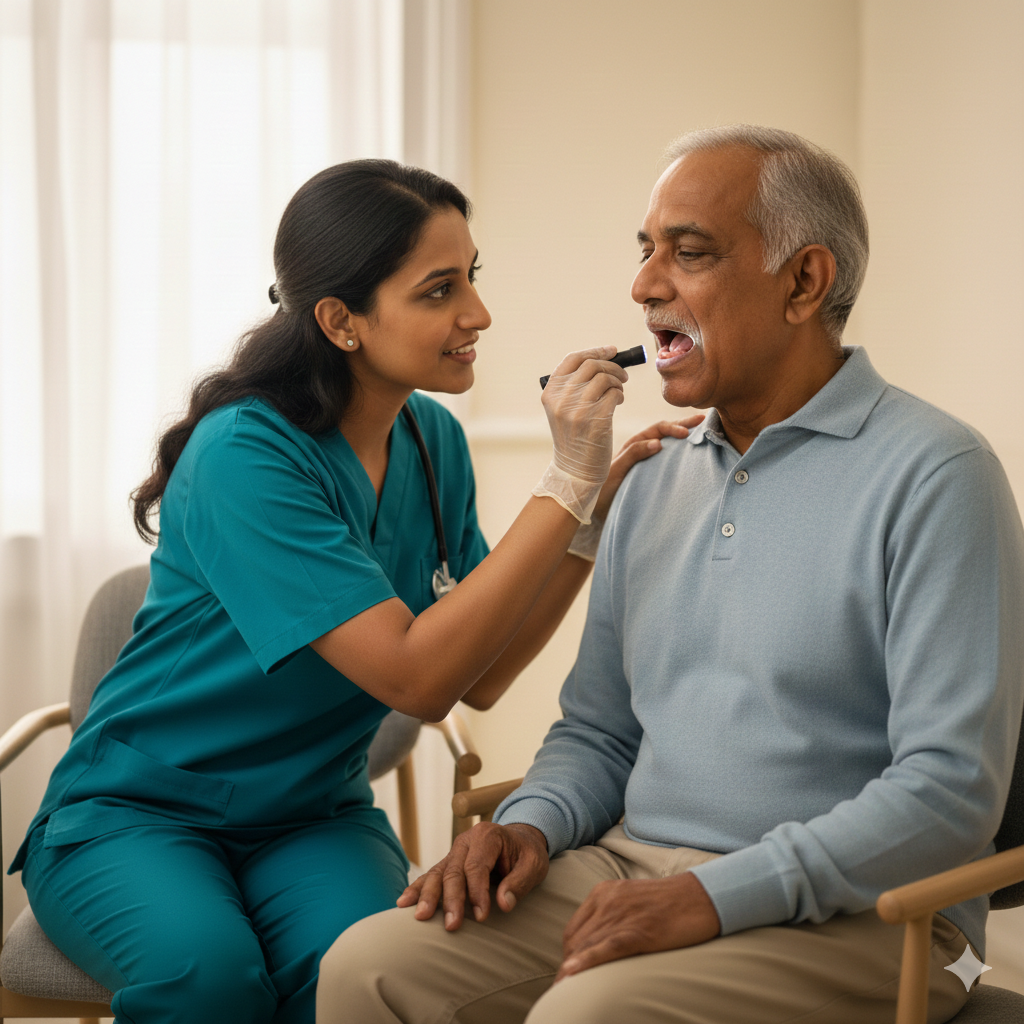
A clinical swallowing assessment (also called a bedside swallowing evaluation or BSE) is a non-invasive examination conducted by a trained speech-language pathologist or physiotherapist to evaluate your ability to swallow safely. This comprehensive assessment identifies:
- Swallowing difficulties at any stage (oral, pharyngeal, or esophageal)
- Aspiration risk (food or liquid entering the airway)
- Causes of dysphagia (neurological, structural, or age-related)
- Appropriate treatment recommendations
Unlike instrumental tests like FEES or VFSS, a clinical assessment can be performed at the bedside in your home, hospital, or our Gurugram clinic, making it accessible and comfortable for all patients.
Who Needs a Swallowing Assessment?
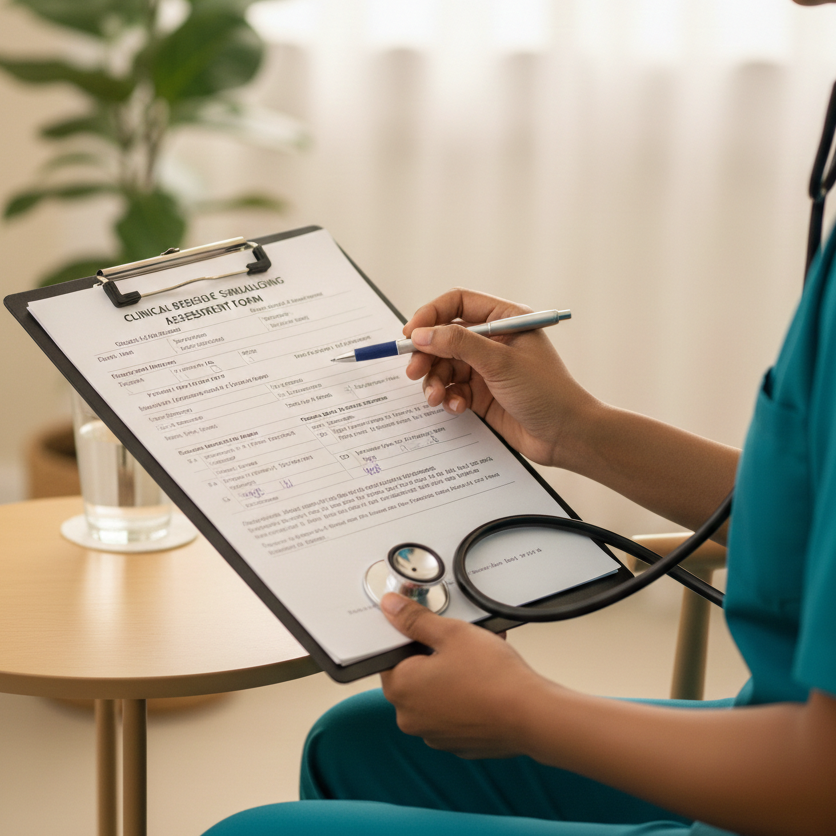
A swallowing assessment may be helpful for adults who have:
- coughing during meals
- choking on water or thin liquids
- food sticking in the throat
- repeated throat clearing while eating
- wet or gurgly voice after swallowing
- trouble swallowing tablets
- frequent chest infections or suspected aspiration
- swallowing difficulty after stroke
- Parkinson’s disease, dementia, neurological illness, or frailty with reduced swallowing safety
- unintentional weight loss related to poor swallowing
“Early swallowing assessment can prevent life-threatening complications like aspiration pneumonia and malnutrition. If you notice any swallowing difficulties, don’t wait, seek evaluation immediately.”
Dr. Ritu Saxena, Dysphagia Specialist, Swallow Care Gurugram
Signs you should not ignore
Please arrange assessment promptly if the person:
- coughs every time they drink
- avoids food because swallowing feels unsafe
- has repeated choking episodes
- develops a wet voice after meals
- takes much longer than usual to finish food
- loses weight because eating has become difficult
- has recurring chest infection or unexplained fever after meals
If breathing is affected or choking does not settle, urgent medical help is needed.
What a clinical bedside swallowing assessment checks
A clinical swallowing assessment looks at more than one symptom. It usually includes:
- medical history and symptom review
- oral mechanism assessment, including lips, jaw, tongue, palate, and voice
- saliva management and ability to initiate a swallow
- cough strength and airway protection signs
- posture, alertness, fatigue, and feeding ability
- observation of swallowing with selected food and fluid textures when appropriate
- signs that may suggest aspiration or unsafe swallowing
This helps the clinician understand whether the difficulty is likely to be oral, pharyngeal, mixed, or severe enough to need further testing.
What Happens During a Clinical Swallowing Assessment?
A bedside swallow exam usually begins with questions about symptoms, medical history, recent illness, medications, nutrition, coughing, choking, and which textures are most difficult. The clinician then assesses the muscles and movements used for swallowing, including the lips, tongue, jaw, voice, and cough.
If it is safe to do so, the person may be asked to swallow different consistencies such as thin liquid, thicker liquid, puree, or soft food while the clinician observes for coughing, throat clearing, multiple swallows, delayed response, oral residue, or voice change. The aim is to understand swallowing safety in a controlled and clinically reasoned way, not to force normal eating when it may be unsafe.
1. Medical History Review (10-15 minutes)
Your therapist will discuss:
- Current swallowing symptoms and concerns
- Medical conditions (stroke, Parkinson’s, cancer, GERD, etc.)
- Medications that may affect swallowing
- Dietary changes you’ve made due to swallowing issues
- Weight changes and nutritional status
2. Oral-Motor Examination (5-10 minutes)
Assessment of:
- Lip strength and movement
- Tongue strength, range of motion, and coordination
- Jaw movement and control
- Palate function (soft palate elevation)
- Facial muscle symmetry
- Dental health and dentition
3. Swallowing Trials with Food & Liquids (10-15 minutes)
You’ll be asked to swallow different textures while your therapist observes:
- Thin liquids (water)
- Thickened liquids (nectar, honey consistency)
- Puree consistency (smooth foods)
- Soft solids (bread, banana)
Your therapist will watch for:
- Coughing or choking during/after swallows
- Delayed swallow reflex
- Wet vocal quality
- Residue in the mouth or throat
- Multiple swallows needed to clear food
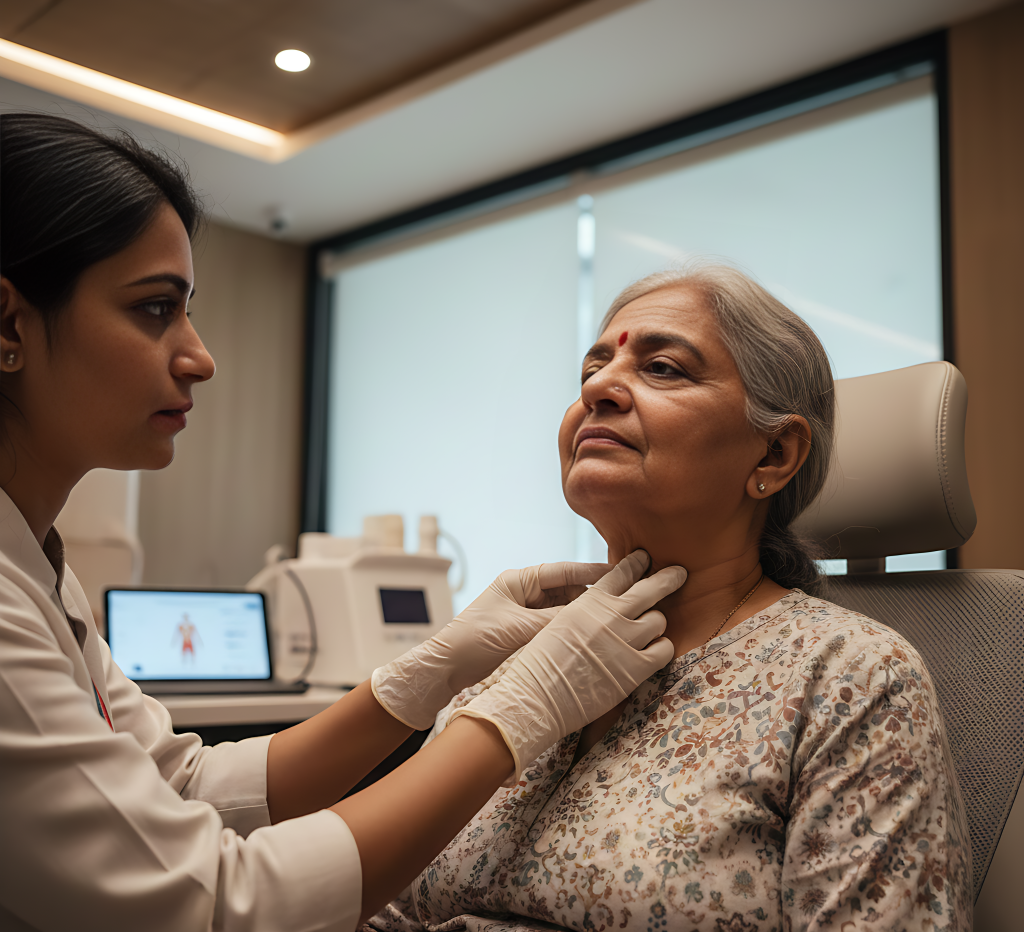
4. Cervical Auscultation (Listening to Swallow Sounds)
The detailed findings of your swallowing assessment Gurugram will guide us in creating a personalized treatment plan that addresses your specific challenges.
Using a stethoscope placed on your neck, the therapist listens to:
- Swallow sounds (normal vs. abnormal patterns)
- Breath sounds before and after swallowing
- Signs of aspiration (food/liquid entering airway)
5. Assessment Results & Recommendations (5-10 minutes)
Based on findings, your therapist will:
- Explain the results in simple terms
- Identify aspiration risk level (none, mild, moderate, severe)
- Recommend diet modifications (texture, consistency)
- Suggest compensatory strategies (chin tuck, small bites, etc.)
- Determine if instrumental testing is needed (FEES, VFSS)
- Create a personalized treatment plan
How long the assessment takes
Most bedside swallowing assessments are completed in one appointment, although the exact time depends on medical complexity, fatigue, cognition, and the severity of symptoms. More complex cases may need a longer review, caregiver discussion, or referral for FEES or VFSS if the clinical picture is unclear.
For families in Gurugram, it helps to think of the assessment as a decision-making visit rather than a simple yes-or-no test. The purpose is to understand current risk and decide the safest next step.

Cervical auscultation – listening to swallow sounds during clinical assessment
What happens after the assessment
After the evaluation, the clinician may recommend one or more of the following:
- continue oral intake with safety advice
- change food or fluid texture for safer swallowing
- begin swallowing therapy
- adjust posture, pacing, or meal setup
- involve caregivers in safe feeding guidance
- refer for FEES or VFSS for detailed instrumental assessment
- discuss medical review if symptoms suggest another cause of dysphagia
This is one of the main reasons assessment is so valuable. It does not stop at identifying a problem; it helps turn symptoms into a practical plan.
Recovery and next-step pathway
| Stage | What the assessment helps decide | Typical next step |
|---|---|---|
| First concern | Is swallowing currently safe? | Clinical bedside assessment |
| Early management | Does food or fluid need to change? | Safety advice and texture guidance |
| Rehabilitation stage | Can swallowing improve with treatment? | Swallowing therapy plan |
| Complex cases | Is more detailed testing needed? | FEES or VFSS referral |
Why early swallowing assessment matters
Early dysphagia assessment matters because swallowing difficulty can be missed, underestimated, or attributed to “weakness” without understanding the real risk. When swallowing is unsafe, continuing regular eating and drinking without guidance may increase the chance of aspiration, pneumonia, dehydration, and poor nutrition.
That is why structured assessment is recommended for people with symptoms such as coughing, choking, wet voice, neurological illness, and swallowing change after stroke or progressive disease.
Benefits of Clinical Swallowing Assessment
🩺 Early Detection – Identifies swallowing problems before serious complications develop
🎯 Personalized Care – Tailored treatment plans based on your specific needs
🏠 Convenient – Can be performed at home, hospital, or clinic
⏱️ Quick & Non-Invasive – Takes 30-45 minutes with no discomfort
💡 Immediate Recommendations – Get diet and safety strategies right away
🛡️ Prevents Aspiration – Reduces risk of pneumonia and choking
📊 Baseline for Treatment – Tracks progress throughout therapy
What to Expect After Your Assessment
After your clinical swallowing assessment at Swallow Care, you will receive:
- Detailed written report of findings
- Dysphagia severity rating (normal, mild, moderate, severe)
- Diet texture recommendations (IDDSI levels)
- Safe swallowing strategies to use immediately
- Treatment plan (if therapy is recommended)
- Follow-up schedule for progress monitoring
- Caregiver education materials
If swallowing therapy is recommended, we’ll schedule your first session within 2-3 days to begin rehabilitation immediately.
Home swallowing assessment in Gurugram
Some people are not able to travel comfortably for assessment because of recent stroke, weakness, fatigue, mobility limits, or caregiver dependence. In these cases, a home swallowing assessment in Gurugram can be especially useful because the clinician sees the person in the real feeding environment, with the actual utensils, positioning, caregiver involvement, and meal textures being used at home.
Home assessment may also make it easier to give practical recommendations that fit the patient’s daily routine rather than offering generic advice. For families in Gurugram and Gurgaon, this can reduce stress and make the plan easier to follow from the first day.
Conditions commonly linked to swallowing difficulty
A swallowing assessment may be needed in relation to:
- stroke
- Parkinson’s disease
- dementia and cognitive decline
- frailty in older adults
- prolonged hospital stay or deconditioning
- recurrent aspiration concerns
- unexplained swallowing discomfort or repeated choking
Problems we help assess
| Symptom or concern | Why assessment matters |
|---|---|
| Coughing while eating | May suggest unsafe swallow timing or airway compromise |
| Choking on water | Thin liquids often reveal swallowing safety problems |
| Food getting stuck | Needs evaluation to clarify oropharyngeal or other causes |
| Wet voice after meals | Can be a warning sign after swallowing |
| Repeated chest infection | May relate to aspiration risk |
| Swallowing change after stroke | Requires structured dysphagia assessment |
Frequently asked questions
Is a swallowing assessment the same as therapy?
No. Assessment is the evaluation step. It helps determine whether therapy is needed, whether eating is currently safe, and whether further tests or diet changes should be considered.
What is a bedside swallow exam?
A bedside swallow exam is a clinical test where the evaluator reviews symptoms, checks the muscles used for swallowing, and may observe swallowing with selected textures to identify signs of dysphagia or aspiration risk.
Does the assessment include food and drinks?
It may, if the clinician considers it appropriate and safe. Some assessments include trial swallows of different consistencies under observation.
Can swallowing be assessed at home?
Yes, in some cases a home-based assessment can be appropriate, especially when travel is difficult or the swallowing issue is best understood in the real meal-time environment.
Will I need FEES or VFSS?
Not everyone will. Some people can be managed clinically, while others may need instrumental testing when the bedside findings are unclear or more detail is required.
Is swallowing assessment useful after stroke?
Yes. Stroke is one of the most common clinical reasons for dysphagia assessment because swallowing may become unsafe even when the problem is not obvious to the family.
Can older adults need assessment even without a recent stroke?
Yes. Dysphagia is common in older adults and may occur with frailty, neurological disease, cognitive decline, and general deconditioning
What if the person coughs only sometimes?
Intermittent symptoms still matter. Swallowing difficulty can vary with posture, fatigue, food texture, attention, and overall health, so occasional symptoms should not be ignored.
📞 Book Your Swallowing Assessment Today
Swallow Care provides clinical and home-based swallowing assessments across Gurugram, Gurgaon, South Delhi, Noida, Faridabad, and Ghaziabad. Whether you need a clinic visit at our Sector 63A centre or a home assessment anywhere in Delhi NCR, our team can reach you within 28 hours.
Contact Swallow Care Gurugram:
📱 Call: +91 99993 88722
📧 Email: [email protected]
📍 Location: Anant Raj Estate, Sector 63A, Gurugram
Our team at Swallow Care is dedicated to ensuring that your swallowing assessment Gurugram is comprehensive and tailored to your unique needs.
Post-assessment, we’ll provide you with strategies that stem from your swallowing assessment Gurugram to help you swallow safely.
By addressing swallowing issues through a swallowing assessment Gurugram, you can improve your quality of life.
We emphasize the importance of a swallowing assessment Gurugram to prevent future complications and enhance your well-being.
After your swallowing assessment Gurugram, you will receive a comprehensive report detailing your findings and recommendations.
Following the swallowing assessment Gurugram, we’ll discuss the best strategies for your safe swallowing journey.
The benefits gained from a thorough swallowing assessment Gurugram are invaluable for your health.
With a swallowing assessment Gurugram, you can ensure that your swallowing functions are optimally evaluated and treated.
Understanding the results from your swallowing assessment Gurugram is key to effective management.
Our Services
Difficulty in swallowing is not just uncomfortable—it can be dangerous. Dysphagia can lead to choking, chest infections, aspiration pneumonia, dehydration, and poor nutrition if not identified early. At SwallowCare, we…
Are you or your loved one experiencing difficulty swallowing, coughing during meals, or fear of choking? A comprehensive swallowing assessment Gurugram is the critical first step in identifying dysphagia and…