
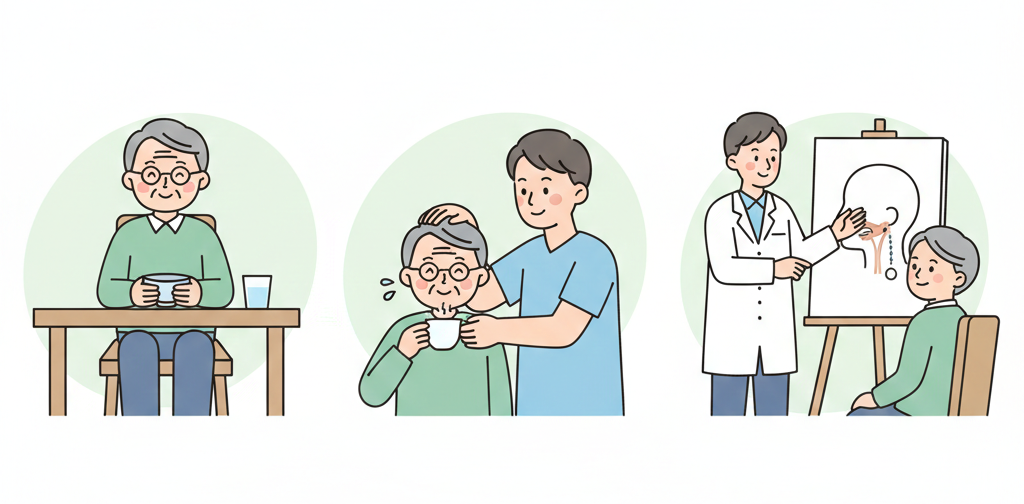
Caregiving for an aging parent comes with many challenges, but few are as stressful as watching a loved one struggle during mealtimes. Whether it is frequent coughing, clearing the throat, or taking a long time to finish a meal, these signs often point toward a condition called dysphagia. At Swallow Care, we specialize in providing professional swallowing therapy for elderly patients to ensure they can eat safely and with dignity.
What is dysphagia in elderly people?
Dysphagia is the medical term for difficulty in swallowing food, liquids, or tablets. It is very common in older adults, especially those living with medical conditions like stroke, dementia, Parkinson’s disease, or long‑term lung and heart problems.
Although ageing can slightly slow swallowing, dysphagia is not considered a normal part of growing older. It usually happens because of an underlying health problem that affects the muscles, nerves, or structures involved in swallowing.
For many families, the first signs are subtle: taking much longer to finish meals, needing to sip water again and again to swallow food, or coughing once in a while with liquids. Recognising these early signs allows you to seek swallowing therapy for elderly relatives before serious complications develop.
Common causes of swallowing problems in seniors
Many different conditions can lead to dysphagia in elderly people. Age‑related frailty and muscle weakness play a role, but health conditions are usually the main cause.
Some common causes include:
- Stroke: Stroke can damage the brain areas that control the muscles of the mouth, tongue, and throat, leading to sudden swallowing problems.
- Dementia and Alzheimer’s disease: Memory loss, reduced alertness, and poor coordination make it hard to chew and swallow safely.
- Parkinson’s disease and other neurological conditions: These conditions can cause slow, stiff movements of the tongue and throat muscles, increasing the risk of food “going the wrong way”.
- Head and neck cancers or their treatment: Tumours, surgery, or radiation around the mouth and throat can narrow or stiffen the swallowing pathway.
- Severe reflux or long‑term oesophageal problems: Long‑standing acid reflux and structural changes in the oesophagus can lead to pain, narrowing, or food sticking.
- General muscle weakness and frailty: With advancing age, the muscles of the mouth and throat may become weaker, especially after prolonged illness, bed rest, or poor nutrition.
Because there are so many possible causes, an individual swallowing assessment is essential before starting any treatment or home exercises.
Why untreated dysphagia is dangerous in older adults
Swallowing difficulties affect more than just mealtimes. They can lead to serious health problems if ignored.
Key risks include:
- Aspiration and chest infections: When food, liquids, or saliva enter the airway instead of the food pipe, it is called aspiration. Repeated aspiration can cause chest infections and aspiration pneumonia, which are particularly dangerous for older adults.
- Malnutrition and weight loss: Many seniors with dysphagia avoid certain foods or eat less because they are afraid of choking, leading to weight loss and poor immunity.
- Dehydration: Difficulties swallowing liquids may result in reduced fluid intake, causing dehydration, constipation, and weakness.
- Reduced quality of life: Mealtimes can become stressful instead of enjoyable, leading to sadness, anxiety, and social withdrawal.
The good news is that early swallowing therapy and practical changes in eating habits can significantly reduce these risks and help older adults maintain safer oral eating.
How swallowing therapy helps elderly patients
Swallowing therapy, usually provided by a speech‑language therapist or swallowing specialist, focuses on making eating and drinking safer and more comfortable for older adults.
Therapy programmes commonly include:
- Compensatory strategies: These focus on making swallowing safer right away, without necessarily changing the underlying muscle function. They may include posture changes, special swallowing techniques, and food or liquid modifications.
- Rehabilitative exercises: These are specific exercises to strengthen the muscles of the mouth, tongue, and throat and to improve coordination, with the aim of improving the swallowing mechanism over time.
- Environmental and behavioural changes: Simple changes such as eating in a quiet place, taking small bites, and sitting upright can make a big difference for safety.
Research in older adults shows that structured swallowing rehabilitation can improve nutritional status and may reduce pneumonia risk compared with no therapy or only diet changes. This is why swallowing therapy for elderly patients is an important part of overall geriatric care.
Treatment options for dysphagia in Gurugram and Delhi NCR
In Gurugram and the wider NCR region, elderly people with swallowing difficulties can benefit from a combination of medical care and specialised swallowing therapy.
Common treatment options include:
- Medical evaluation: A doctor reviews medical history, medications, and associated conditions like stroke, Parkinson’s disease, or dementia to understand why dysphagia has developed.
- Swallowing assessment by a therapist: A speech‑language therapist or swallowing specialist observes how the person eats and drinks, checks for signs of aspiration, and identifies which phase of swallowing is affected.
- Individualised swallowing therapy sessions: Based on the assessment, the therapist designs a therapy plan that may include postural changes, swallowing techniques, and targeted exercises tailored for elderly patients.
- Diet and texture modification: The care team may recommend softer foods or adjusted liquid consistencies, following frameworks like the International Dysphagia Diet Standardisation Initiative (IDDSI), to improve safety during meals.
- Caregiver training: Because many seniors depend on family or caregivers, teaching safe feeding techniques, correct posture, and early warning signs is a key part of treatment.
Families in Gurugram and Delhi NCR looking for help can search for terms like “dysphagia treatment in Gurugram”, “swallowing therapy near me”, or “dysphagia therapy in Delhi NCR” to find specialised services.
What families can do at home (with therapist guidance)
Home care plays a big role in keeping elderly people with dysphagia safe between therapy sessions. However, exercises and major changes should always be done under professional guidance.
General tips families can usually follow include:
- Ensure an upright sitting position (around 90 degrees) for all meals and snacks.
- Encourage small bites and sips, avoiding large mouthfuls or rushed eating.
- Limit distractions such as television or mobile screens during meals, so the senior can focus on swallowing.
- Avoid talking with food in the mouth and allow enough time to chew thoroughly.
- Maintain good mouth care, including regular tooth‑brushing and cleaning of dentures, to lower the risk of aspiration pneumonia from mouth bacteria.
Once a specialist has assessed swallowing, they may give a personalised home exercise plan with specific tongue, throat, or posture exercises. These should be followed exactly as written, with clear instructions on how often to practise and when to stop and seek advice.
Families should not start new swallowing exercises based only on information from the internet without a therapist review, as this may increase aspiration risk.

How Swallow Care supports elderly swallowing problems in NCR
Swallow Care in Gurugram focuses on safe, evidence‑based management of swallowing problems in older adults.
Support for families in Gurugram and NCR may include:
- Comprehensive swallowing assessments for elderly patients with stroke, dementia, Parkinson’s disease, long‑term illness, or general frailty.
- Individualised swallowing therapy for elderly people, with clear explanations in simple language so both seniors and caregivers understand each step.
- A customised home programme with written instructions for safe practice between sessions.
- Caregiver education sessions on posture, safe feeding, food textures, and early warning signs of aspiration.
- Close coordination with doctors and other health professionals as needed, especially for complex medical conditions.
Whether you search for “dysphagia treatment in Gurugram”, “swallowing therapy near me”, or “dysphagia therapy in Delhi NCR”, Swallow Care aims to be your local partner in helping elderly relatives eat and drink more safely.
If your parent or grandparent is coughing during meals, losing weight, or taking a very long time to finish food, you can reach out to Swallow Care in Gurugram for a detailed swallowing assessment and a personalised therapy plan. Our team supports families across Gurugram and the wider NCR region.
Frequently asked questions about swallowing therapy for elderly
Is swallowing difficulty a normal part of ageing?
No. While some slowing of swallowing can occur with age, true dysphagia is usually linked to health problems such as stroke, dementia, Parkinson’s disease, or long‑term reflux. Swallowing problems in elderly people should always be checked by a doctor or swallowing specialist rather than being dismissed as “just old age”.
Can swallowing therapy really help my elderly parent?
Yes. Research in older adults shows that structured swallowing rehabilitation programmes can improve safe oral intake and are linked with better nutrition and fewer pneumonia episodes compared with no therapy or only diet changes. The exact results depend on the cause and severity of dysphagia, but many seniors benefit from a combination of compensatory strategies and targeted exercises.
How do we know when to look for swallowing therapy in Gurugram or NCR?
You should consider seeking help if your elderly relative coughs or chokes during meals, has a wet or gurgly voice after drinking, shows unexplained weight loss, or has repeated chest infections. Families in Gurugram and Delhi NCR can search for terms such as “dysphagia treatment in Gurugram” or “swallowing therapy near me” and ask for a specialist swallowing assessment.
Can we manage dysphagia at home without seeing a specialist?
General safety tips like upright sitting, small bites and sips, and good mouth care are helpful for many seniors. However, because the causes and severity of dysphagia are very different from person to person, a specialist assessment is important before starting exercises or major diet changes. Home care should be guided by a therapist’s personalised plan, not only by internet advice.