
dysphagia screening
Difficulty in swallowing is not just uncomfortable—it can be dangerous. Dysphagia can lead to choking, chest infections, aspiration pneumonia, dehydration, and poor nutrition if not identified early.At SwallowCare, we…
When eating becomes difficult, the right place to start is understanding why.
Coughing while drinking, food feeling stuck, repeated throat clearing, difficulty chewing or changes in swallowing after a stroke can make everyday meals stressful for the person and their family.
SwallowCare provides swallowing assessment, dysphagia therapy and home-based swallowing care for adults across Ghaziabad.
Our swallowing-focused service supports adults experiencing swallowing difficulties associated with stroke, Parkinson’s disease, neurological conditions, ageing, illness and recovery after hospitalisation.
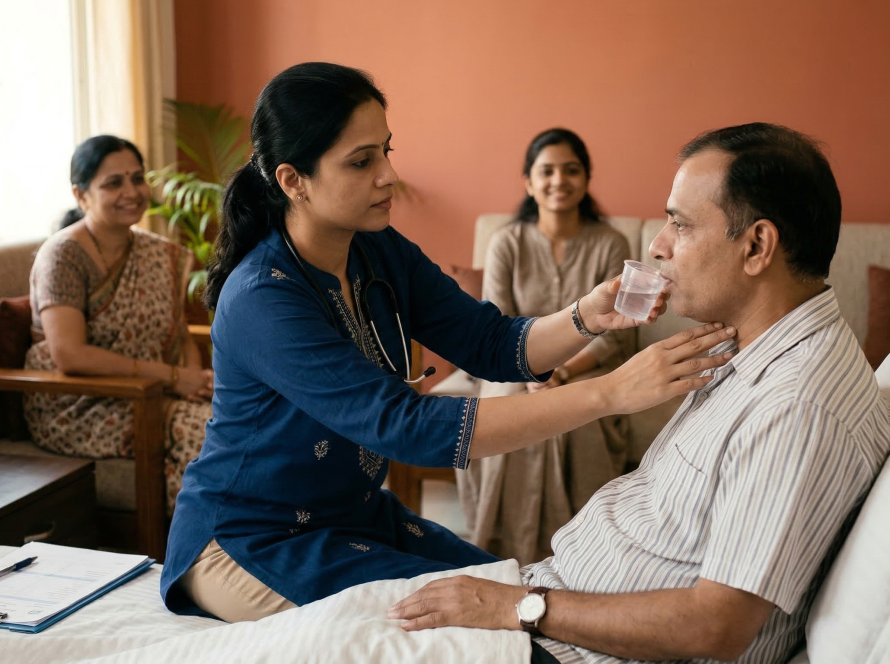
For people who find travelling difficult, swallowing assessment and therapy can also be provided in the home environment.
A swallowing problem does not look the same in every person.
One person may cough mainly when drinking liquids.
Another may struggle to chew or control food inside the mouth.
Someone else may have difficulty swallowing without obvious coughing.
That’s why dysphagia treatment should be based on the person’s symptoms, medical history and swallowing function, rather than a generic exercise programme.
A swallowing assessment may consider:
Where clinically appropriate and safe, the therapist may also observe swallowing with selected food or liquid consistencies.
Following the assessment, the therapist can explain the findings and discuss the appropriate next step.
SwallowCare provides swallowing-focused assessment and rehabilitation for adults experiencing concerns such as:
Coughing, throat clearing or difficulty managing water and other liquids can be associated with swallowing difficulties and may require assessment.
A sensation that food remains in the mouth or throat can have different causes and should be clinically evaluated.
Repeated coughing or choking while eating or drinking can be a reason to seek a swallowing assessment.
Stroke can affect the coordination and neurological control involved in swallowing.
Ageing, frailty, neurological conditions and illness can contribute to changes in eating and swallowing.
Neurological conditions can affect swallowing strength, timing and coordination.
For many families, the search for swallowing therapy begins after a stroke.
A person may have eaten normally before the stroke and then suddenly develop difficulty swallowing food or liquids.
Some people continue to experience swallowing difficulties after leaving hospital and need rehabilitation during their recovery at home.
SwallowCare provides swallowing assessment and rehabilitation for adults experiencing dysphagia following stroke.
Depending on the person’s assessment findings, therapy may include:
Appropriate swallowing exercises
The therapy plan is individualised according to the person’s swallowing function and clinical needs.
For someone recovering from a stroke, living with reduced mobility or relying on a caregiver for transportation, travelling for repeated therapy sessions can be difficult.
SwallowCare provides home-based swallowing therapy and dysphagia treatment across Ghaziabad.
Home-based care allows the therapist to understand the person’s swallowing difficulties within their everyday environment.
For example:
These details can make therapy more relevant to the person’s actual routine.
Home-based swallowing therapy is not simply about moving exercises from a clinic into a house. It is about understanding swallowing within the person’s normal daily environment.
SwallowCare provides swallowing-focused care across Ghaziabad, including established residential areas and newer communities.
Our service area includes:
If you live elsewhere in Ghaziabad, you can still contact the SwallowCare team about your swallowing-care requirement.
Dysphagia therapy isn’t simply a list of swallowing exercises.
The appropriate approach depends on the person’s swallowing assessment and clinical needs.
The therapist selects appropriate interventions according to the person’s swallowing function and rehabilitation goals.
Specific exercises may be recommended where clinically appropriate as part of rehabilitation.
Practical strategies may be discussed to support safer and more effective eating and drinking.
Family members can learn how to support the person’s recommended therapy and mealtime routine.
Progress can be reviewed and the therapy plan adjusted when required.
The goal isn’t to give everyone the same exercise. It’s to understand what the person is experiencing and build care around their individual needs.
SwallowCare provides swallowing-focused care for adults experiencing dysphagia associated with:
Swallowing difficulties during or after stroke recovery.
Changes in swallowing can occur alongside neurological progression.
Neurological conditions can affect swallowing strength, timing or coordination.
Swallowing concerns may occur alongside reduced mobility, weakness, illness or frailty.
Some adults experience changes in eating and swallowing following significant illness or hospitalisation.
One advantage of home-based swallowing care is that the therapist can see the environment where meals actually happen.
“This is how we normally help him eat.”
“This is how she sits when drinking water.”
“This is when he starts coughing.”
These details can help connect rehabilitation with the person's actual eating and drinking routine.
That's why SwallowCare's home-based approach focuses not only on the swallowing problem itself, but also on how that problem affects everyday life.
Swallowing assessment and therapy should be provided by appropriately qualified professionals.
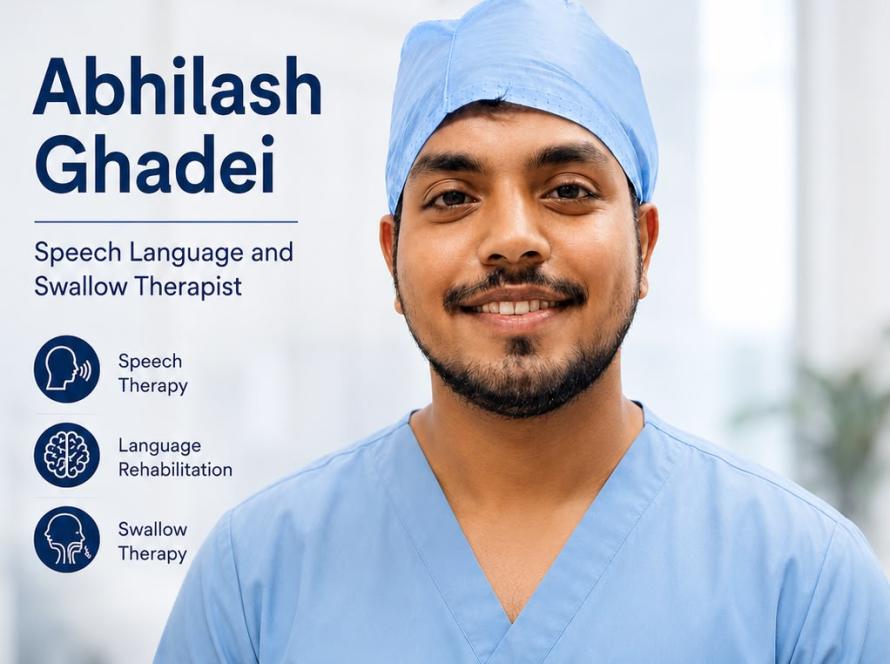
SwallowCare’s swallowing services are delivered by qualified Speech-Language Pathologists with a focus on adult swallowing and dysphagia care.
Our team works with adults experiencing swallowing difficulties associated with conditions such as:
SwallowCare has supported 30+ families and completed 100+ swallowing therapy sessions across based on the current figures provided by the SwallowCare team.
Our work includes swallowing assessment and rehabilitation for adults experiencing swallowing difficulties associated with stroke, neurological conditions, ageing and recovery from illness.
Where appropriate, caregivers are included in the process so they understand the recommended therapy and mealtime support.
The goal is to provide care based on the person’s actual swallowing needs rather than a generic exercise programme.
SwallowCare provides swallowing-focused care for adults experiencing dysphagia associated with:
Swallowing difficulties during or after stroke recovery.
The person may benefit from individualised dysphagia therapy based on their assessment findings.
A swallowing assessment can help determine the person’s current difficulties and appropriate rehabilitation needs.
Ask about home-based swallowing assessment and therapy.
Tell the SwallowCare team what you’re noticing.
SwallowCare provides swallowing-focused care for adults experiencing dysphagia associated with:
Call or WhatsApp and briefly explain the person’s swallowing difficulty, medical condition and current concerns.
Our team helps you understand the appropriate assessment and care pathway.
The therapist reviews the person’s history and evaluates relevant swallowing functions.
The assessment findings and recommended next steps are explained to the patient and family.
If therapy is recommended, sessions can be structured around the person’s individual needs and rehabilitation goals.
SwallowCare focuses specifically on swallowing assessment, dysphagia therapy and swallowing rehabilitation.
Rather than recommending the same exercises to everyone, therapy begins with understanding the person's swallowing difficulties.
Swallowing assessment and therapy can be provided at home for adults who require home-based care.
Families can receive practical guidance alongside the person's therapy plan.
SwallowCare has supported 30+ families and delivered 100+ swallowing therapy sessions across Delhi NCR.
A person’s swallowing difficulties often become most apparent during their normal meals.
Home-based therapy can allow the therapist to understand the person’s everyday environment, including:
The purpose is not simply to bring a clinic into the home. It is to make swallowing rehabilitation more relevant to the person’s actual daily routine.
Yes. SwallowCare provides swallowing assessment and dysphagia therapy for adults across Ghaziabad, including home-based care.
Yes. SwallowCare provides home-based swallowing assessment and therapy for adults who require swallowing care at home.
SwallowCare provides swallowing-focused assessment and therapy across Ghaziabad. Contact the team to discuss the person’s symptoms and appropriate assessment.
Yes. SwallowCare provides assessment and rehabilitation for adults experiencing swallowing difficulties following stroke.
Yes. SwallowCare works with older adults experiencing swallowing difficulties associated with ageing, neurological conditions, illness and other clinical circumstances.
No. Swallowing exercises can be one part of dysphagia rehabilitation. Treatment may also involve assessment, swallowing strategies, mealtime guidance, caregiver education and follow-up.
The therapist reviews relevant medical history and swallowing symptoms, assesses oral movements involved in eating and swallowing, and may observe swallowing with selected food or liquid consistencies where clinically appropriate.
Yes. Family members and caregivers can participate where appropriate and may receive guidance on supporting the person’s therapy and mealtimes.
There is no fixed duration. Therapy requirements depend on the person’s swallowing difficulties, underlying condition, medical status, rehabilitation goals and response to treatment.
If you or a family member is experiencing difficulty swallowing, coughing during meals, food feeling stuck, difficulty swallowing liquids, repeated throat clearing, or swallowing problems after a stroke, speak with SwallowCare.
Our team can help you understand the appropriate swallowing assessment and dysphagia therapy options based on the person's symptoms and clinical needs.
Swallowing Assessment · Dysphagia Screening · Dysphagia Therapy · Swallowing Rehabilitation · Home-Based Swallowing Therapy · Caregiver Guidance
Call: +91 99993 88722
WhatsApp: Chat with SwallowCare
If someone is choking and cannot breathe, develops blue or grey lips or face, or experiences another life-threatening emergency, seek immediate emergency medical care.
 [email protected]ShareTwitterTwitterFacebookFacebookShare-emailShare-emailCopy URL to clipboardLink[email protected]ShareTwitterTwitterFacebookFacebookShare-emailShare-emailCopy URL to clipboardLink[email protected]ShareTwitterTwitterFacebookFacebookShare-emailShare-emailCopy URL to clipboardLink[email protected]ShareTwitterTwitterFacebookFacebookShare-emailShare-emailCopy URL to clipboardLink[email protected]ShareTwitterTwitterFacebookFacebookShare-emailShare-emailCopy URL to clipboardLink[email protected]ShareTwitterTwitterFacebookFacebookShare-emailShare-emailCopy URL to clipboardLink[email protected]ShareTwitterTwitterFacebookFacebookShare-emailShare-emailCopy URL to clipboardLink[email protected]ShareTwitterTwitterFacebookFacebookShare-emailShare-emailCopy URL to clipboardLink[email protected]ShareTwitterTwitterFacebookFacebookShare-emailShare-emailCopy URL to clipboardLink