At-Home Swallowing Assessment in Delhi
Expert dysphagia assessment and swallowing care for elderly adults, stroke survivors and people with neurological conditions in the comfort of home.
When swallowing becomes difficult, everyday meals can become stressful for both the person and their family.
Coughing while drinking, food getting stuck, repeated throat clearing, a wet or changed voice after eating, prolonged mealtimes or fear of choking may indicate a swallowing problem known as dysphagia.
Expert dysphagia assessment and swallowing care for elderly adults, stroke survivors and people with neurological conditions in the comfort of home.
SwallowCare provides professional home swallowing assessments in Delhi, helping families understand what may be contributing to swallowing difficulties and what the appropriate next step may be.
Trusted swallowing care
Specialist dysphagia care.
Home visits available.
Serving Gurugram, Gurgaon, and Delhi NCR.
Evidence-based therapy and assessment.
Personalised therapy plans.
Clinician-led care.
Is Your Parent Having Difficulty Swallowing?
Sometimes swallowing problems are easy to notice, Sometimes, the signs are subtle.
Look out for:
Coughing or choking while eating or drinking
Coughing particularly with water or other thin liquids
Food feeling stuck in the throat
Repeated throat clearing during meals
A wet, gurgly or changed
voice after swallowing
Taking much longer than usual to finish meals
Difficulty chewing or controlling food in the mouth
Avoiding certain foods or drinks
Fear or anxiety around eating
Unexplained weight loss
Repeated chest infections
Difficulty swallowing after a stroke, surgery or hospitalisation
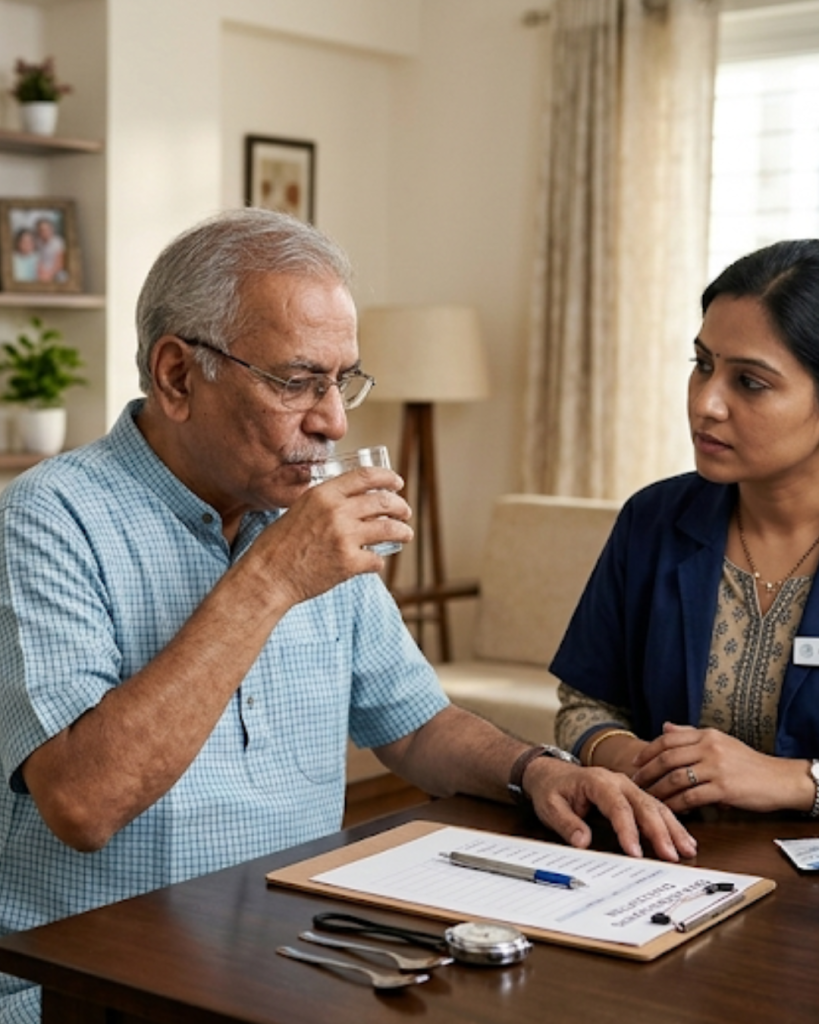
If you are noticing one or more of these signs, a professional swallowing assessment can help determine whether further dysphagia evaluation or therapy may be appropriate.
What Is a Home Swallowing Assessment?
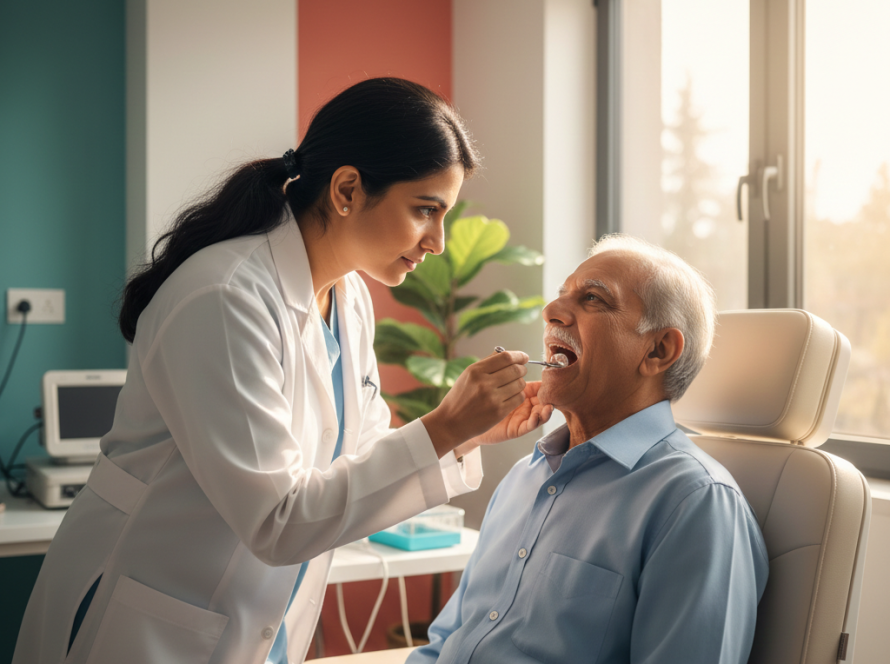
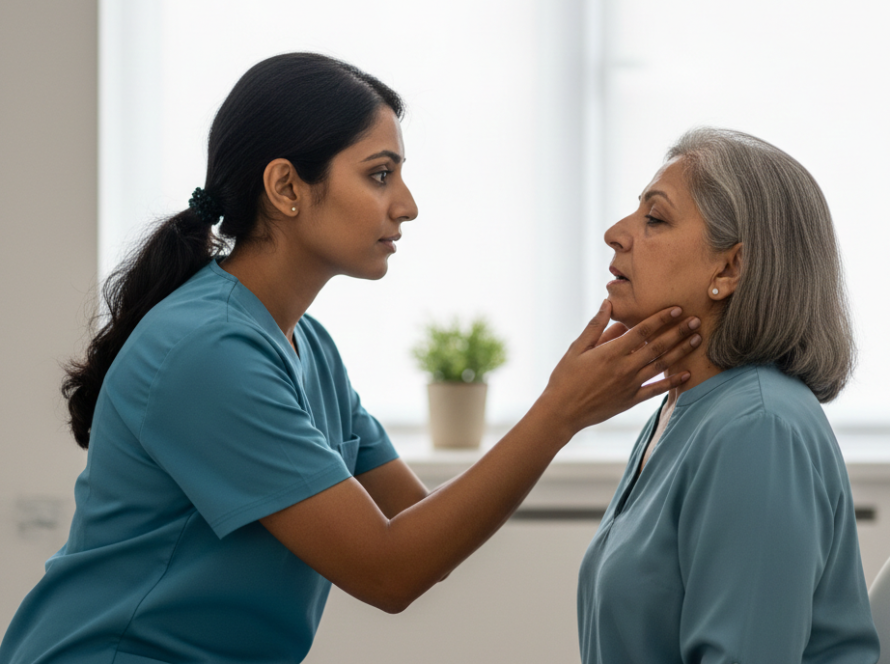
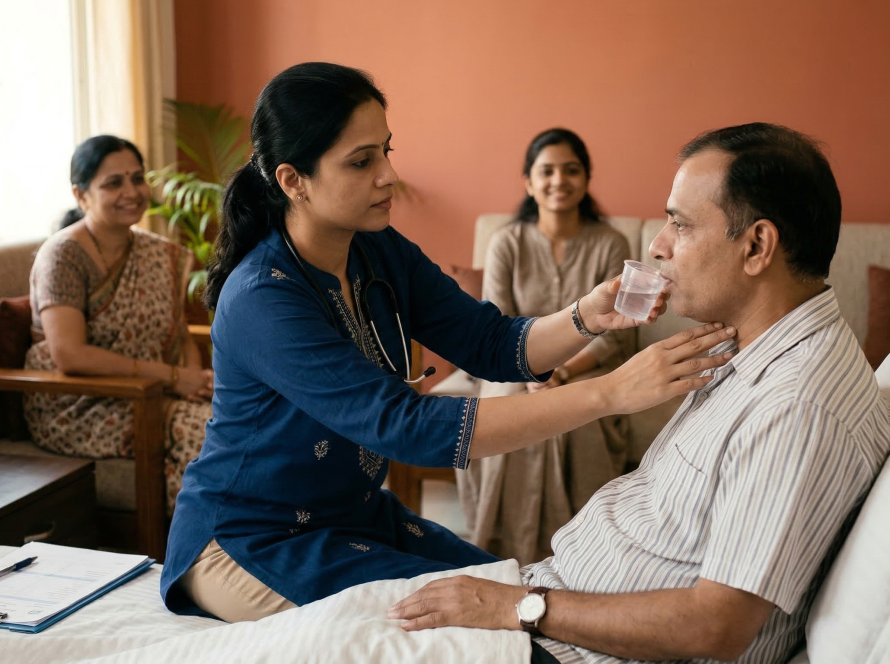
home swallowing assessment is a clinical evaluation of a person’s swallowing difficulties performed in their everyday environment.
Instead of asking a patient to travel to a clinic when mobility, weakness or recovery makes travelling difficult, a qualified clinician can assess relevant swallowing functions in the home setting.
The assessment may include:
1. Medical & Swallowing History
We discuss the person’s medical history, current diagnosis, previous hospitalisation, medications where relevant, eating and drinking difficulties, and concerns reported by the patient or caregiver.
2. Oral-Motor & Functional Assessment
The clinician evaluates relevant movements and functions involved in eating, chewing and swallowing.
3. Swallowing Observation
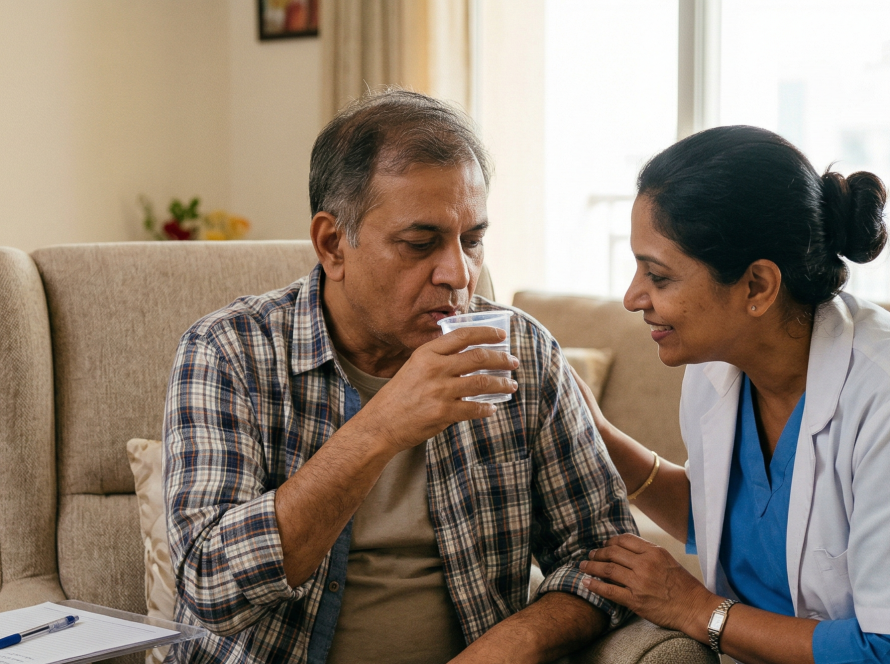
Where clinically appropriate and safe, selected food or liquid consistencies may be observed to understand the person’s swallowing pattern and identify concerns that require further attention.
4. Voice, Cough & Breathing Observation
Changes in voice, coughing and other functional signs can provide useful information during a clinical swallowing assessment.
5. Individualised Recommendations
After the assessment, the clinician explains the findings and discusses appropriate next steps.
Depending on the person’s needs, this may include swallowing therapy, swallowing exercises, mealtime strategies, caregiver education, food or liquid texture guidance, follow-up assessment, or referral for further instrumental evaluation.
Why Choose SwallowCare for a Home Swallowing Assessment in Delhi?
RCI-Registered Clinicians
Your loved one’s swallowing assessment should be performed by appropriately qualified professionals.
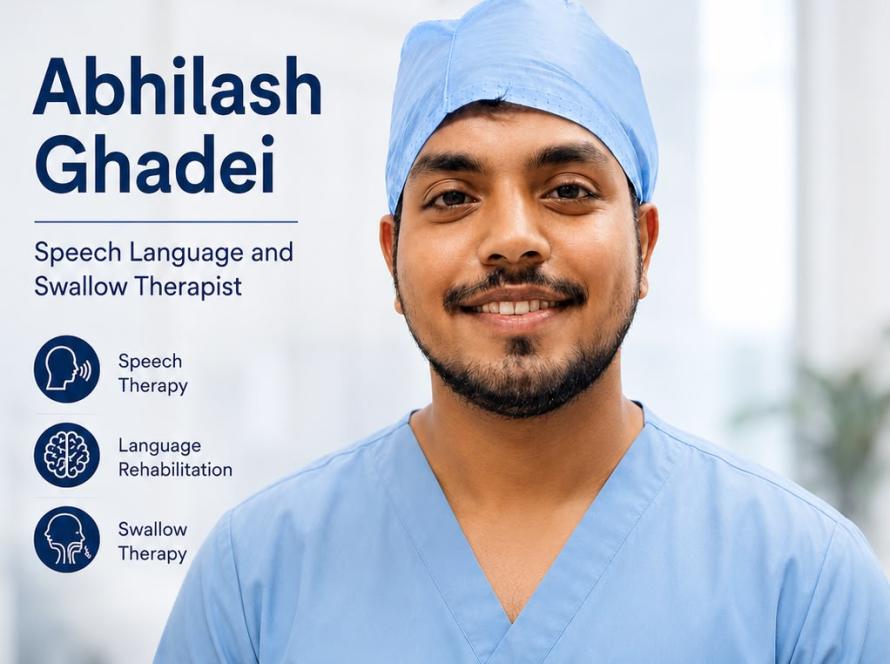
SwallowCare provides access to RCI-registered clinicians with specialist experience in speech, language and swallowing care.
100+ Home Swallowing Assessments
Our clinicians have experience providing swallowing assessments and therapy in home settings, helping families access specialised support without unnecessary travel.
Same-Day Availability
When a family is worried about a swallowing problem, waiting several days to understand the next step can be difficult.
Same-day home assessment slots are available,
Contact our team to check the earliest available appointment.
Specialised Dysphagia Focus
SwallowCare focuses specifically on swallowing assessment, dysphagia therapy and swallowing rehabilitation rather than treating swallowing problems as a generic therapy issue.
Care in the Patient's Own Environment
For elderly adults, stroke survivors and people with limited mobility, travelling to a clinic may itself be challenging.
A home assessment allows the clinician to understand the person’s difficulties in their usual environment and provide practical guidance relevant to everyday mealtimes.
Support for Families & Caregivers
Swallowing difficulties affect more than the person experiencing them.
Families and caregivers often need to understand:
- What signs to watch for
- How to support safer mealtimes
- What food or liquid textures may be appropriate
- How to follow the recommended therapy plan
- When further assessment may be required
Caregiver education is therefore an important part of the swallowing care process.
Home Swallowing Assessment vs FEES vs VFSS: What's the Difference?
One of the most common questions families ask is:
“Can a swallowing problem be completely assessed at home?”
Not every swallowing problem requires the same type of evaluation.
A clinical home assessment can provide important information about swallowing function and help determine the next step. However, some patients may require an instrumental examination such as FEES or VFSS.
| Assessment Type |
Home Clinical Swallowing Assessment At Home | FEES | VFSS |
|---|---|---|---|
| Setting | Patient's home | Clinical or hospital setting | Clinical or hospital imaging setting |
| Main purpose | Clinical evaluation of swallowing function and symptoms | Instrumental visual assessment of swallowing | X-ray-based assessment of swallowing |
| Direct internal visualisation | No | Yes | No |
| Radiation | No | No | Yes |
| Useful for | Initial assessment, functional concerns and care planning | Selected complex swallowing cases | Selected cases requiring dynamic imaging |
| Next step | Therapy, guidance or further evaluation when needed | Treatment planning based on findings | Treatment planning based on findings |
The appropriate type of swallowing evaluation depends on the individual's symptoms, medical history and clinical findings. A home clinical assessment does not replace FEES or VFSS when instrumental evaluation is clinically required.
Why this distinction matters:
A home swallowing assessment should not be presented as a replacement for FEES or VFSS when instrumental evaluation is clinically required.
Instead, the assessment can help determine what the patient needs next.
If your loved one has a complex or unclear swallowing problem, our clinician can advise whether further instrumental evaluation may be appropriate.
Who Can Benefit From a Home Swallowing Assessment?
After Stroke
Swallowing difficulty is common following stroke and may affect eating, drinking, nutrition and mealtime safety.A post-stroke swallowing assessment can help understand the person's current swallowing difficulties and guide rehabilitation.
Older Adults
Ageing, frailty, reduced muscle strength and neurological conditions can contribute to swallowing difficulties.A swallowing assessment can help identify concerns and provide an individualised plan.
Parkinson's Disease
Parkinson's disease can affect the coordination and movement required for effective swallowing.Regular assessment and appropriate therapy may be recommended according to the individual's needs.
Neurological Conditions
Neurological disorders can affect the strength, timing and coordination involved in swallowing.Individualised dysphagia assessment can help determine appropriate rehabilitation needs.
Post-Surgical or Post-Hospitalisation Recovery
Some people experience swallowing changes following surgery, illness or prolonged hospitalisation.A home assessment can be particularly useful when travelling remains difficult during recovery.
Head & Neck Cancer Recovery
Treatment for head and neck cancer can affect swallowing, chewing, voice and related functions.Specialist swallowing assessment and rehabilitation may be appropriate depending on the individual's condition and treatment history.
What Happens After You Book?
Step 1: Tell Us What You Are Noticing
Call or WhatsApp our team and briefly explain the person’s symptoms, medical condition and current concerns.
Step 2: We Understand Your Requirement
Our team discusses the appropriate assessment and checks home-visit availability for your location.
Step 3: Home Assessment
A qualified clinician visits the patient’s home and performs the relevant clinical assessment.
Step 4: Findings Are Explained
The clinician discusses the assessment findings with the patient and family in understandable terms.
Step 5: A Suitable Next Step Is Planned
Depending on the findings, this may include:
- Swallowing therapy
- Individualised swallowing exercises
- Mealtime strategies
- Food and liquid texture guidance
- Caregiver education
- Follow-up sessions
- Further instrumental evaluation when clinically indicated
Clinical Support That May Be Used During Rehabilitation
Swallowing care is individualised.
Depending on the patient’s condition and rehabilitation requirements, therapy may incorporate appropriate techniques and equipment, including VitalStim neuromuscular electrical stimulation where clinically indicated.
Other rehabilitation equipment and techniques, including manual therapy and V-Pen, may be used where appropriate to the individual’s therapy needs.
These are not substitutes for a clinical swallowing assessment. They are rehabilitation tools that may form part of an individualised treatment plan.
Home Swallowing Assessment in South, North, East & West Delhi
SwallowCare provides home-based swallowing assessment and therapy across selected areas of Delhi NCR.
- South Delhi
- East Delhi
- Central Delhi
- West Delhi
- North Delhi
- Delhi NCR
Why Home-Based Swallowing Care Can Help
A home-based approach can reduce the practical burden of travel for:
- Older adults
- Bedbound patients
- Recent stroke survivors
- People with reduced mobility
- Patients recovering after hospitalisation
- Families managing ongoing neurological conditions
It also allows the clinician to discuss swallowing and mealtime difficulties with the caregiver in the environment where these challenges actually occur.
Concerned About Your Parent's Swallowing?
If your parent is coughing while drinking, choking during meals, struggling with food, taking unusually long to eat, or experiencing swallowing difficulties after a stroke or illness, speak with a qualified swallowing professional.
SwallowCare provides home swallowing assessments across selected areas of Delhi NCR.
- RCI-Registered Clinicians
- 100+ Home Swallowing Assessments
- Same-Day Availability
Book a Home Swallowing Assessment
Frequently Asked Questions
A swallowing assessment is a clinical evaluation used to understand a person’s swallowing difficulties, symptoms and functional swallowing needs. It can help determine whether swallowing therapy, dietary guidance, caregiver education or further evaluation may be appropriate.
Yes. SwallowCare provides home-based swallowing assessments across selected areas of Delhi NCR, including areas of South, West, North, East and Central Delhi, subject to clinician availability.
Anyone experiencing symptoms such as coughing while eating or drinking, choking, food sticking, prolonged meals, repeated throat clearing, changes in voice after swallowing or other concerns around eating and drinking may benefit from discussing a professional assessment.
Yes. Post-stroke swallowing difficulties are an important area of dysphagia care. A clinical assessment can help understand the person’s current swallowing difficulties and guide appropriate rehabilitation.
Yes. Home-based swallowing therapy may be available for suitable patients across selected areas of Delhi NCR.
Yes. SwallowCare provides swallowing assessment and therapy support for older adults experiencing swallowing difficulties associated with ageing, frailty, stroke, neurological conditions and other medical conditions.
Dysphagia is the medical term for difficulty swallowing. It can affect eating, drinking, chewing, nutrition, hydration and mealtime safety.
Dysphagia refers to difficulty or impairment in the swallowing process. “Swallowing difficulty” is the more general term people often use to describe symptoms they notice.
No. The appropriate assessment depends on the individual’s symptoms, medical history and clinical findings. A clinician may recommend instrumental evaluation when additional information is needed.
VitalStim is a form of neuromuscular electrical stimulation used as an adjunct to dysphagia rehabilitation for selected patients. It is not a replacement for a clinical swallowing assessment.
Same-day availability be possible depending on your location and clinician availability. Contact our team with your area and the patient’s requirement to check the earliest available slot.